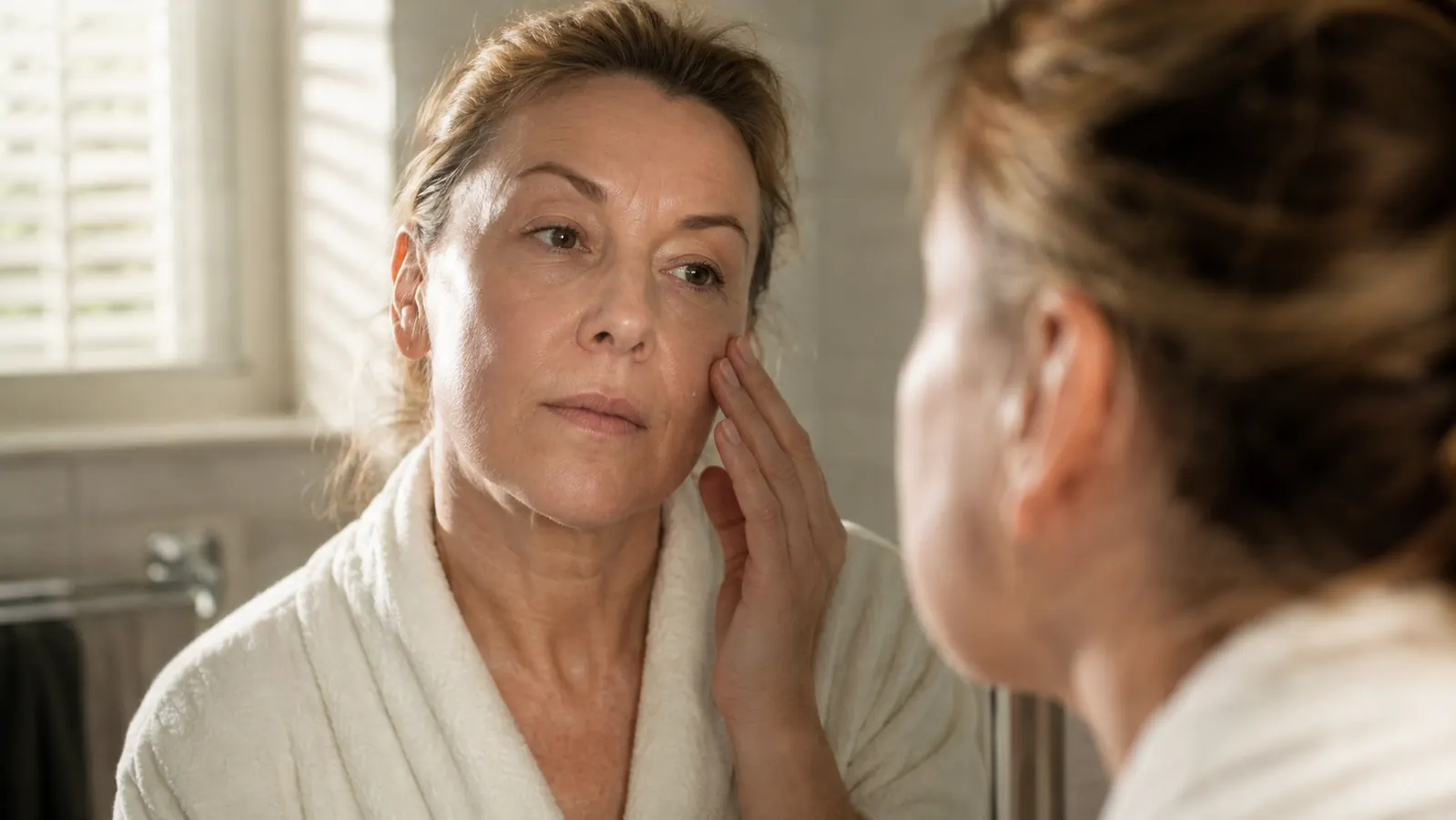
The morning I finally admitted my skin had changed, I was leaning into my bathroom mirror under the kind of overhead light no face is built for, watching my foundation sit on top of tiny ridges along the sides of my nose instead of sinking in the way it used to. I was fifty-four. My skin had always been what people called good skin, oily in my twenties, calm through my thirties, and then somewhere in my late forties it started to feel like paper that had been folded and unfolded too many times. Not wrinkled exactly. Just rough. Grainy under my fingertips in a way it never used to be. I didn't know it yet, but the fix that finally worked was going to come from a nine-dollar bottle of Tree of Life retinol serum, not a department store counter.
For years my whole routine was a bar of soap and whatever moisturizer was on sale at the drugstore. It worked fine until it didn't. By the time I was tracing the same patch of texture near my chin for the third week in a row, I knew soap and lotion weren't going to fix it. I'd read enough to know retinol was the ingredient people actually recommended for texture, but I'd also read enough about peeling and redness, skin that looks worse for a month before it looks better, that I'd talked myself out of trying it twice already.
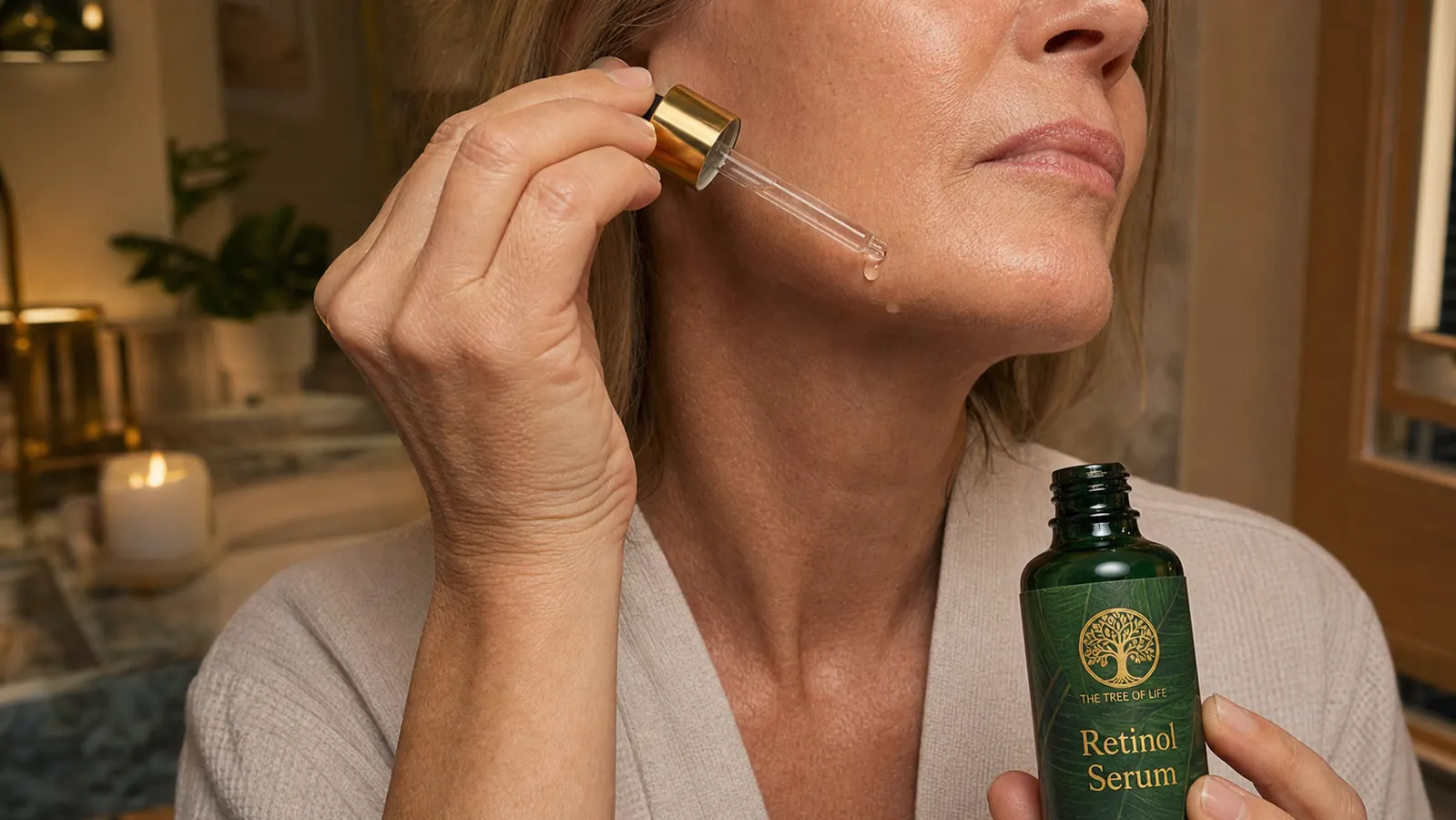
What finally moved me was my daughter-in-law, Renee, who mentioned offhand at Sunday dinner that she'd started using a cheap retinol serum she found on Amazon and her skin had, in her words, stopped looking like sandpaper. I asked what she was using. She said Tree of Life. Budget-priced. I remember laughing, because I'd braced myself to spend serious money on something from a department store counter, and here she was talking about a single-digit bottle.
I ordered the Tree of Life serum that night, more out of curiosity than confidence. It arrived in a small amber bottle, unglamorous, no fanfare. I started using it three nights a week, the way every article told me to start slow, patting a few drops onto clean, dry skin after washing my face, then waiting a minute before my regular moisturizer went on top.
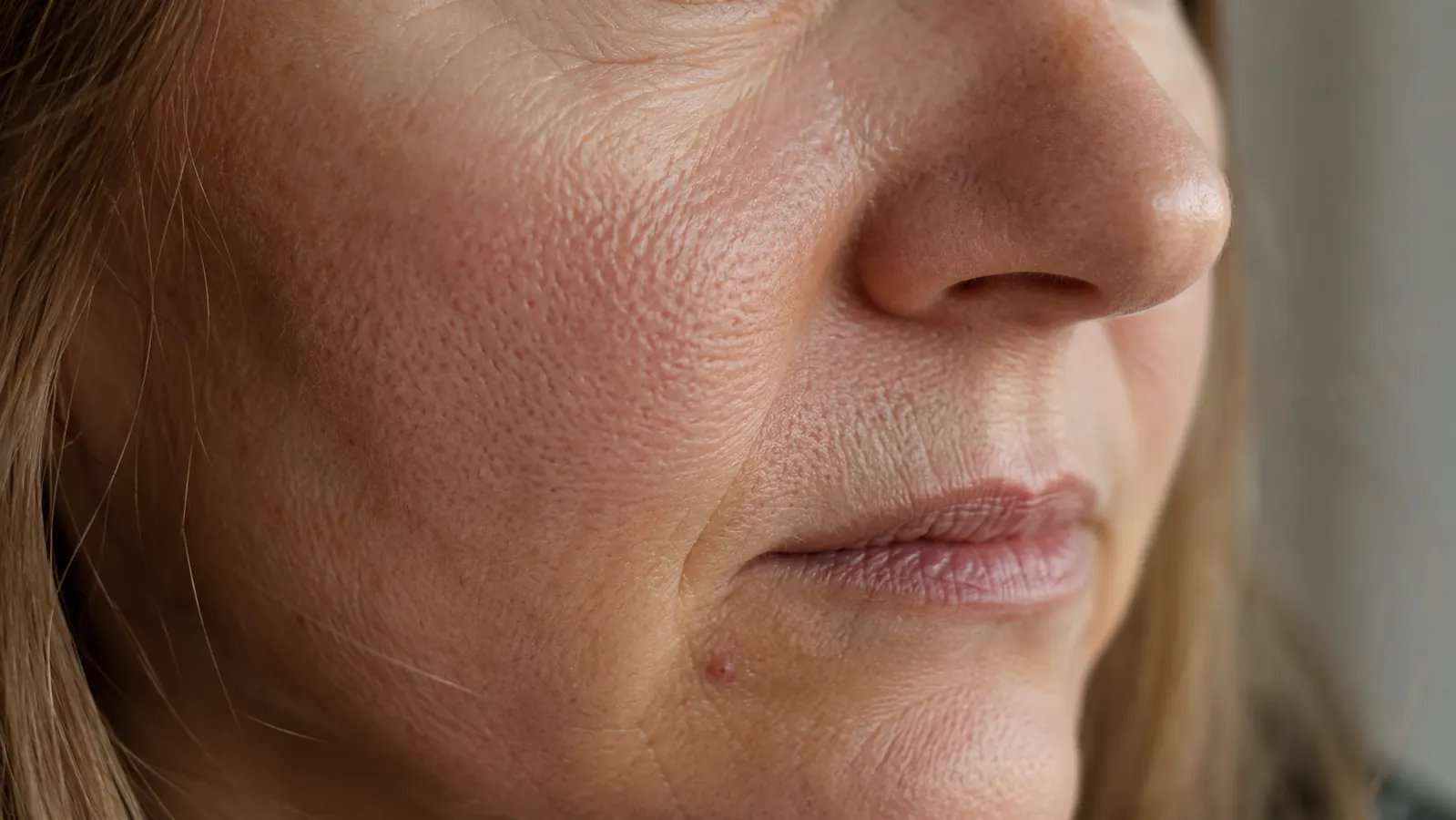
The first two weeks, nothing dramatic happened. A little tightness the mornings after I used it, nothing I couldn't live with. Then week three arrived and my skin did something I wasn't prepared for. It got worse. Flaky patches showed up around my nose and along my jaw, little dry flecks that no amount of moisturizer seemed to smooth down. I stood at the mirror thinking I'd made a mistake, that I'd traded rough texture for something that looked, honestly, like I'd been out in the wind all week.
Nobody tells you the skin gets worse before it gets better. They just tell you to wait it out.
The Same Bottle That Got Me Through the Flaking Weeks
It's still the same small amber bottle I started with. If you want to see what today's price looks like before you decide, it's worth a quick look.
Amazon Check Today's Price on Amazon →I almost quit around day 24. I texted Renee a photo of my chin, annoyed, half expecting her to tell me to stop. She just said, keep going, mine did that too, it stopped after about ten days. So I backed off to twice a week instead of three, gave my skin room to catch up, and kept a heavier moisturizer in rotation on the nights I wasn't using the serum.
She was right about the ten days, more or less. By the start of week five the flaking had settled. Not gone completely, but manageable, the kind of dry patch a good moisturizer handles instead of something that shows through foundation. I stayed at twice a week through month two, then moved up to every other night once my skin seemed to be tolerating it without complaint.
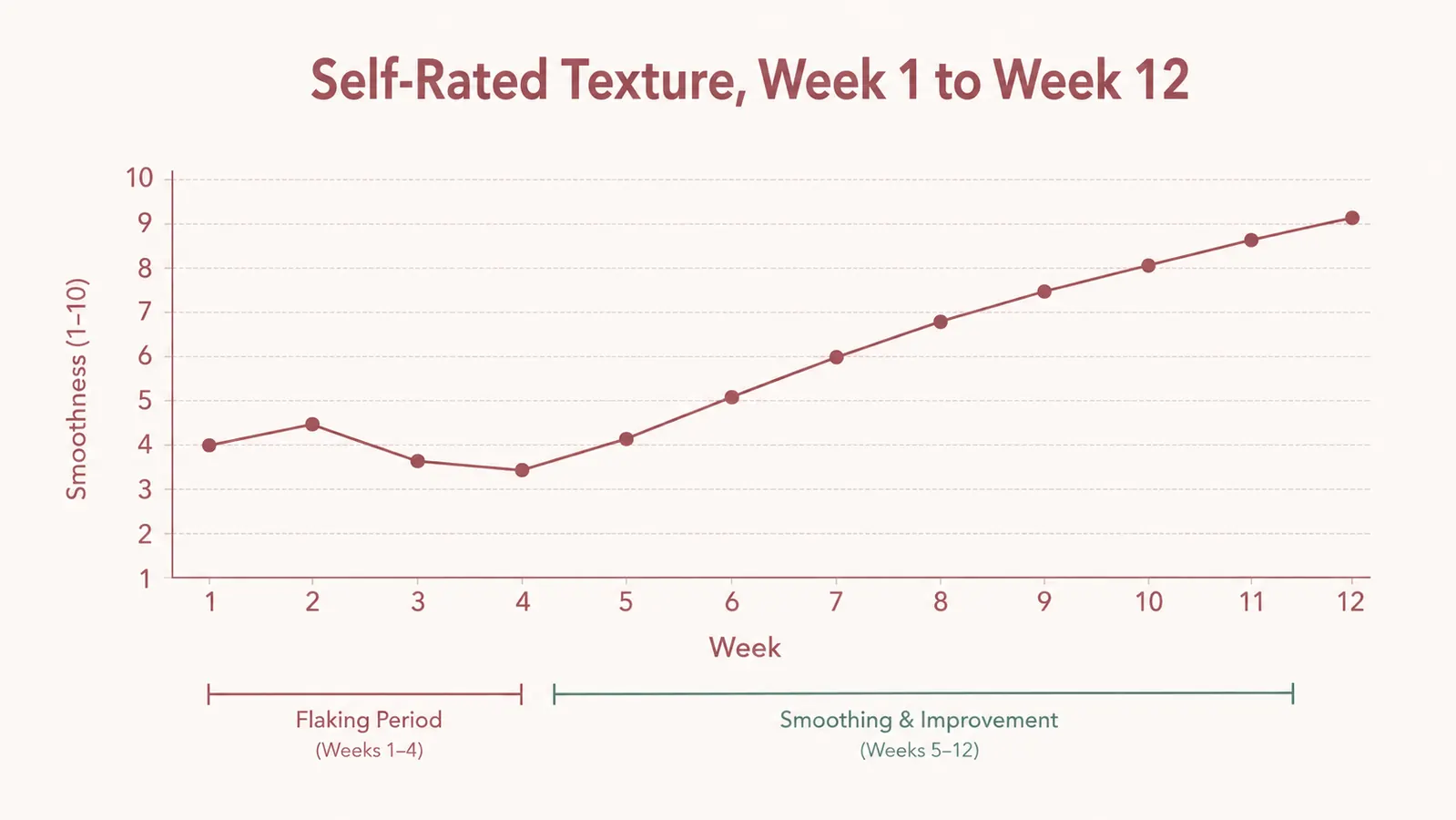
By month three of using the Tree of Life serum, running my finger along my cheek in the same spot I used to trace out of habit, the grain was different. Smoother is the honest word, not flawless, not glass, just smoother in a way I could feel with my eyes closed. Makeup started sitting differently too, less catching along the sides of my nose, less settling into lines by early afternoon. I wrote about the longer arc of it in more detail in my six-month check-in, and I went into that update more skeptical than I expected to be, because three months of improvement doesn't always hold.
It did hold, mostly. I still get the occasional dry patch if I forget to ease back during a stretch of cold, dry weather, and I still think anyone starting out should read something honest about how to introduce retinol slowly before diving into the Tree of Life serum at full strength, because the flaking weeks are real and they will make you doubt yourself if nobody warns you. I also went back and forth on whether this specific serum earned its place long term, which I got into more bluntly in the honest review I wrote after using it for half a year.
What I'd Tell You If We Were Sitting at My Kitchen Table
If you were sitting across from me asking whether to try the Tree of Life serum, here's what I'd actually say. Start slow, twice a week for the first month, no matter how impatient you are. Expect the flaking weeks. They aren't a sign you're allergic or that your skin is rejecting it, they're usually just your skin turning over faster than your moisturizer can keep up with. Keep a heavier cream in the cabinet for those weeks. And don't expect a transformation, expect a texture that feels calmer under your own fingers by the time three months have passed. That's what happened to mine. It's a small thing. It just happens to be the thing that mattered.
Still the Same Bottle on My Nightstand
Three months in was when I stopped thinking about it and just kept using it. If you're ready to start your own twice-a-week routine, here's where I get mine.
Amazon Check Today's Price on Amazon →